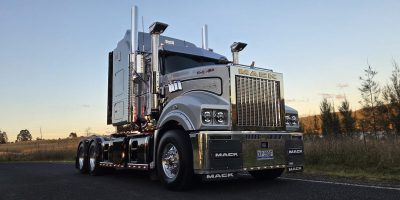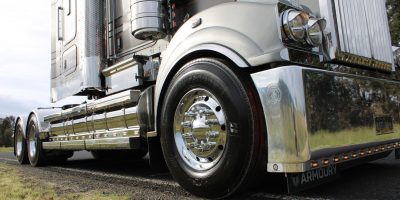
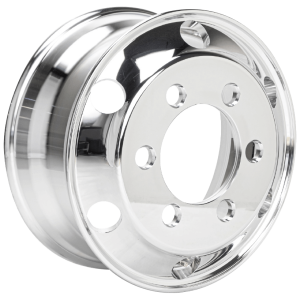
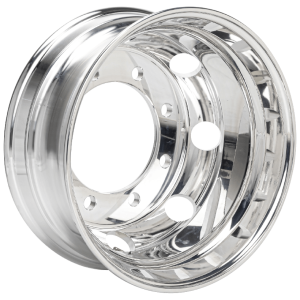
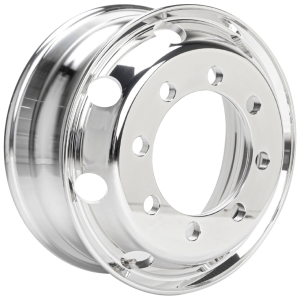
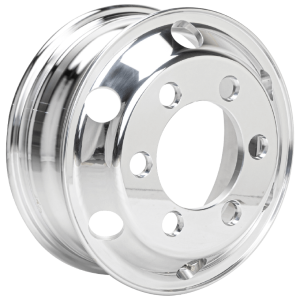
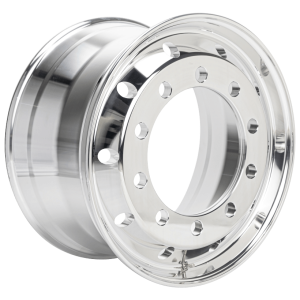
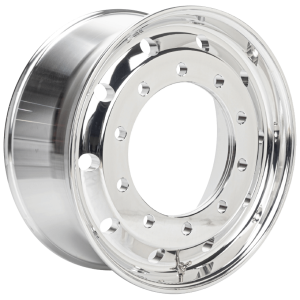
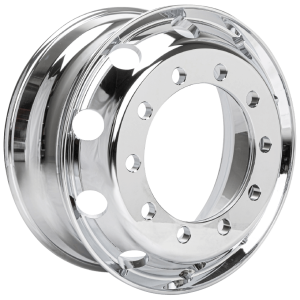
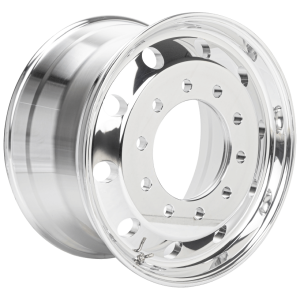

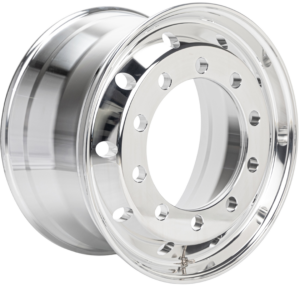
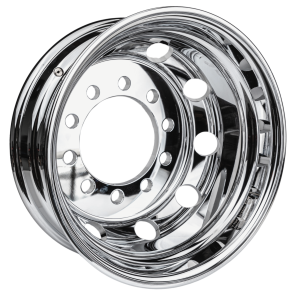

Your truck’s wheels have a major impact on handling, safety, fuel economy, and compliance. Choosing the right setup, especially on the steer axle, can improve weight distribution, vehicle control, and legal compliance under newer emissions standards like Euro 6.
In this guide, we break down the two most common steer axle upgrades: the 9″ offset steer wheel and the super single steer wheel, and when each one is required or recommended.
Why Upgrade from Factory Steer Wheels?
Factory steer wheels are built for general-purpose use. They’re affordable and meet base compliance, but they often fall short under modern operating demands, especially with Euro 6 trucks, which typically carry more weight on the front axle due to emissions equipment.
To stay compliant and ensure safe, legal operation, many trucks now require either a 9″ offset or super single steer wheel, depending on the tyre size and axle rating.
9″ Offset Steer Wheels: For Handling, Compliance, and Tyre Flexibility
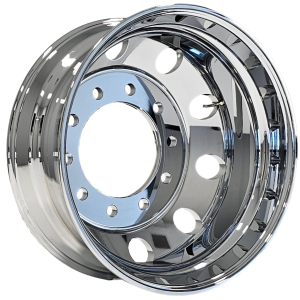
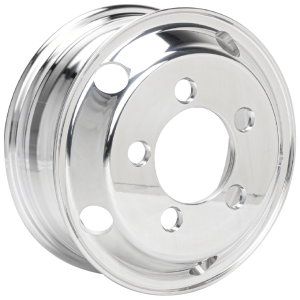
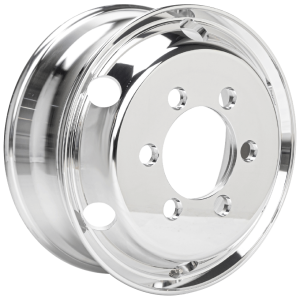
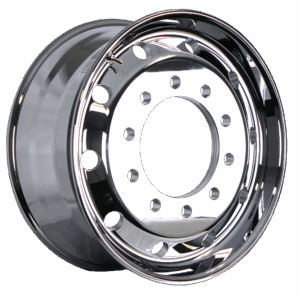
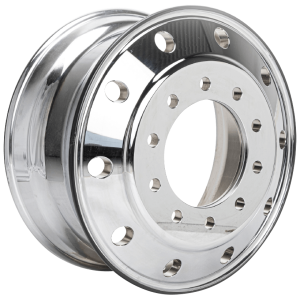
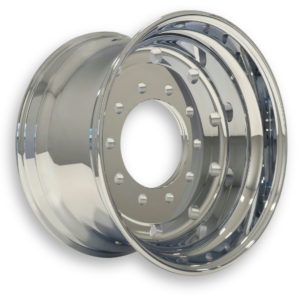
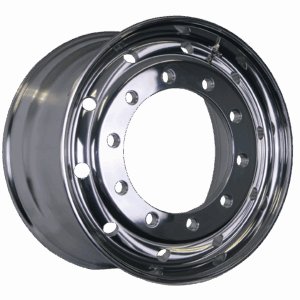
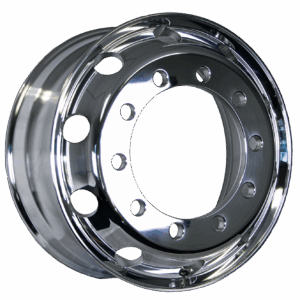
The 9″ offset steer wheel adjusts the hub position to improve steering geometry and front-end performance. It’s one of the most commonly used wheels for trucks needing Euro 6 compliance without going to a super single.
Key Benefits:
- Enhanced Handling & Alignment: Optimised geometry for better control and reduced tyre wear.
- Euro 6 Ready: Meets compliance when paired with the correct tyres and axle spec.
- Multiple Tyre Options: Fits common steer sizes:
- 12R22.5
- 285/80R22.5
- 295/80R22.5
- 315/80R22.5
- Professional Finish: Available in polished and brushed options.
At Armoury Wheels, our 9″ offset steer wheels are available in multiple finishes and sizes to suit a wide range of modern trucks.
Super Single Steer Wheels: For Higher Front Axle Weights and Wider Tyres
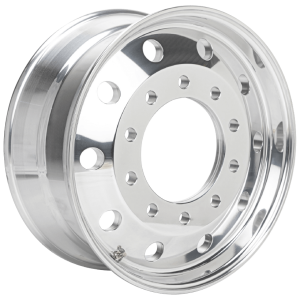
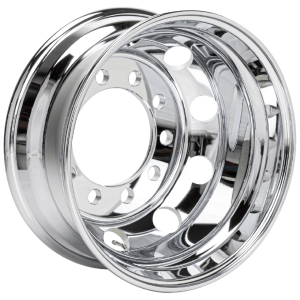
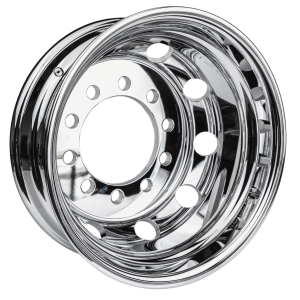
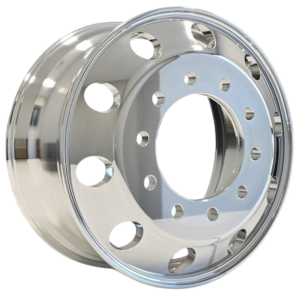
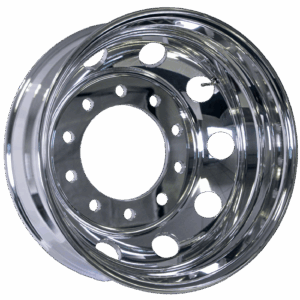
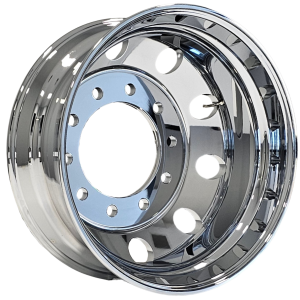
Our super single steer wheels are specifically designed for the front axle, not to replace duals on the drive or trailer. These wider wheels are used where the front axle load exceeds the limits of standard steer wheels, common in Euro 6, PBS, and heavy front-mounted equipment applications.
Key Benefits:
- High Load Rating: Ideal for steer axles rated for higher legal limits.
- Euro 6 Compliance: Required on some vehicles with heavy front-end weight.
- Tyre Fitment: Designed for 385/65R22.5 tyres only.
- Durable Construction: Lightweight, corrosion-resistant alloy.
- Striking Appearance: Wide, clean design enhances fleet presentation.
If you need to legally carry more weight on the front axle, or your OEM compliance sheet specifies 385 tyres, this is the upgrade you need.
Quick Comparison
| Feature | 9″ Offset Steer Wheel | Super Single Steer Wheel |
| Best For | Handling, compliance, tyre flexibility | Heavy-duty steer axle loads |
| Euro 6 Compliance | Yes (with appropriate tyres) | Yes (with 385/65R22.5) |
| Tyre Sizes | 12R22.5, 285/80R22.5, 295/80R22.5, 315/80R22.5 | 385/65R22.5 |
| Design | Standard-width, 9″ offset | Wide-based, high-strength alloy |
| Use Case | General steer axle upgrade | Front axle upgrade for PBS/Euro 6 trucks |
| Finish Options | Polished or brushed | Wide, bold, polished appearance |
What to Consider Before Upgrading
- Front Axle Load Rating: Know your truck’s steer axle limits.
- Euro 6 Compliance: Many trucks require one of these wheels to meet current laws.
- Vehicle Type: Freight, PBS, tipper, crane, etc., all have unique demands.
- Tyre Availability: Make sure tyres are available and compliant for your wheel type.
- Presentation: Finish and appearance still matter, especially for fleet image.
Understanding Wheel Offset and Why It Matters
Wheel offset is the distance between the hub mounting surface of a wheel and its centreline. It affects how your wheel sits inside the wheel well and is critical for vehicle stability, suspension clearance, and compliance, particularly with upgraded or Euro 6 trucks.
There are three types of offset:
- Zero Offset: The mounting surface aligns with the wheel centreline.
- Positive Offset: Mounting surface is closer to the street side, moving the wheel further inward. Common in modern trucks.
- Negative Offset: Mounting surface is closer to the back of the wheel, pushing the wheel outward. Often used in lifted setups or trucks needing more inner clearance.
Why Offset Is Critical for Steer Axle Upgrades
When upgrading to a 9″ offset or super single steer wheel, you’re essentially adjusting how the load is distributed across the front axle. This can:
- Prevent tyre rub and brake interference
- Improve handling and cornering control
- Ensure compliance with axle load limits
- Avoid costly damage from improper fitment
A 9″ offset, for example, provides improved steering geometry and helps many Euro 6 vehicles remain compliant when equipped with supported tyre sizes like 295/80R22.5 or 315/80R22.5. Super singles, with a wider base and positive offset, are designed for high axle ratings and wider tyres like 385/65R22.5.
Armoury Wheels Has You Covered
Whether your goal is compliance, performance, or presentation, Armoury offers both 9″ offset and super single steer wheels, ready to go with expert advice on hand.
Not sure which you need for Euro 6 or your specific setup? Get in touch and we’ll help you pick the right solution.